 By Forbesbusinessview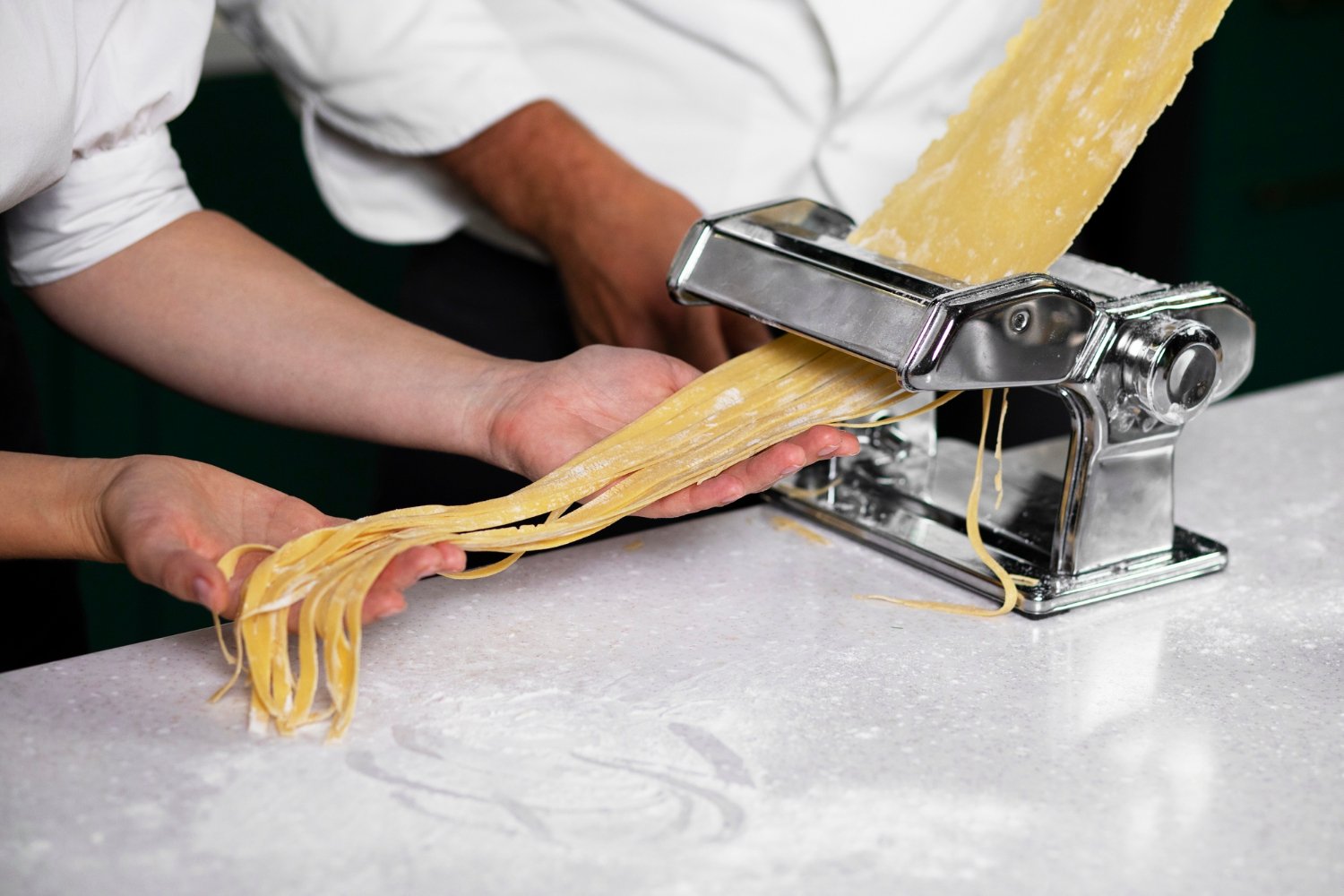
The tortellinatrice represents the perfect balance between Italian culinary tradition and modern food technology. Designed specifically to produce tortellini with accuracy and efficiency, a tortellinatrice allows chefs, pasta makers, and serious home cooks to create uniform, beautifully shaped stuffed pasta without sacrificing quality. As tortellini continues to gain global popularity, the tortellinatrice has become an essential tool for anyone who values consistency, speed, and craftsmanship.
Understanding the Tortellinatrice
A tortellinatrice is a pasta-making machine engineered to form tortellini by rolling dough, inserting filling, folding, sealing, and cutting the pasta into its classic ring shape. Unlike general pasta machines, the tortellinatrice focuses entirely on stuffed pasta production, making it highly specialized and precise.
The machine replicates the delicate movements traditionally done by hand, but it does so with mechanical accuracy. This ensures each tortellino has the same thickness, filling quantity, and seal strength. The result is pasta that cooks evenly, looks professional, and maintains its structure during boiling.
Why the Tortellinatrice Matters Today
Tortellini production by hand demands skill, patience, and time. While traditional methods remain respected, modern kitchens face different challenges such as labor shortages, high demand, and the need for consistency. The tortellinatrice addresses these challenges directly.
Speed plays a major role. A tortellinatrice can produce hundreds or even thousands of tortellini per hour, depending on the model. This allows restaurants and pasta producers to meet demand without increasing staff workload.
Consistency is another key advantage. Uniform tortellini improve presentation and cooking reliability. Every piece behaves the same in boiling water, which reduces waste and improves customer satisfaction.
Hygiene standards also improve with machine-based production. Food-grade materials and enclosed processing reduce contamination risks, making the tortellinatrice ideal for professional environments.
How a Tortellinatrice Works
The operation of a tortellinatrice follows a carefully controlled sequence.
Dough Preparation and Rolling
The process begins with fresh pasta dough fed into the machine. Built-in rollers flatten the dough into thin, even sheets. Thickness settings allow customization depending on the desired texture and filling type.
Filling Distribution
Prepared filling moves into a dispensing system that deposits equal portions onto the dough sheet. This precision prevents overfilling and ensures a balanced dough-to-filling ratio.
Folding and Shaping
The dough folds over the filling and passes through shaping molds. These molds create the iconic tortellini form while sealing the edges securely. Proper sealing prevents filling leakage during cooking.
Cutting and Output
The final stage cuts each tortellino cleanly and releases it onto trays or conveyors. The finished pasta is ready for cooking, freezing, or packaging.
Each step flows smoothly, allowing continuous production with minimal interruptions.
Types of Tortellinatrice Machines
Different kitchens require different levels of automation. Tortellinatrice machines fall into several categories.
Manual Tortellinatrice
Manual models use hand cranks and simple mechanisms. They suit home cooks and small artisanal producers who want control without high costs. These machines still offer better consistency than hand shaping.
Semi-Automatic Tortellinatrice
Semi-automatic machines handle filling, shaping, and sealing while requiring manual dough feeding. They are popular in small restaurants and specialty pasta shops.
Fully Automatic Tortellinatrice
Fully automatic machines manage the entire process from dough feeding to final output. These models serve industrial kitchens and large-scale pasta manufacturers where high volume and speed matter most.
Customizable Models
Some tortellinatrice machines include interchangeable molds and adjustable settings. These options allow producers to vary tortellini size, thickness, and shape without changing equipment.
Key Benefits of Using a Tortellinatrice
The advantages of a tortellinatrice extend beyond efficiency.
Superior Product Uniformity
Every tortellino looks and cooks the same. This uniformity improves plating and ensures consistent texture and flavor.
Reduced Ingredient Waste
Precise portion control minimizes leftover dough and filling. Over time, this leads to noticeable cost savings.
Labor Efficiency
The machine reduces repetitive manual tasks. Staff can focus on recipe development, quality control, and customer service instead of time-consuming shaping work.
Menu Expansion
With reliable production, kitchens can introduce multiple tortellini variations, including meat-based, vegetarian, vegan, and seasonal fillings.
Scalability
A tortellinatrice allows businesses to grow without dramatically increasing labor costs. Production scales up smoothly as demand increases.
Challenges and Practical Considerations
While highly beneficial, a tortellini requires thoughtful planning.
Initial investment can be significant, especially for advanced models. However, many businesses recover costs through labor savings and increased output.
Maintenance is essential. Regular cleaning and servicing keep the machine running smoothly and ensure food safety compliance.
Training also matters. Operators must understand dough consistency, filling texture, and machine settings to achieve optimal results.
Some traditionalists prefer hand-shaped pasta, but modern tortellinatrice machines closely replicate handmade quality, making this concern less relevant in practice.
Choosing the Right Tortellinatrice
Selecting the right tortellinatrice depends on several factors.
Production volume should guide the choice between manual, semi-automatic, and fully automatic machines.
Material quality matters. Stainless steel construction ensures durability, hygiene, and ease of cleaning.
Adjustability adds long-term value. Machines with variable thickness and mold options adapt to changing menu needs.
Reliable after-sales support ensures access to spare parts, maintenance, and technical assistance.
Budget should align with realistic production goals. Investing in the right machine avoids future upgrades and operational limits.
Best Practices for Using a Tortellinatrice
Preparation determines success.
Dough should be smooth, elastic, and properly rested. Filling should be fine-textured and chilled to improve portioning accuracy.
Calibration is crucial. Running small test batches helps fine-tune thickness, filling quantity, and sealing pressure.
Quality checks should include cooking tests to evaluate texture and seal strength.
Storage matters. Fresh tortellini should rest on floured trays and remain spaced to prevent sticking. Freezing works best when done quickly after shaping.
Cleaning after every session protects both flavor integrity and machine lifespan.
The Role of the Tortellinatrice in Modern Cuisine
The tortellinatrice does not replace tradition. Instead, it preserves tradition by making authentic tortellini accessible at scale. It allows chefs to honor classic recipes while meeting modern expectations for consistency and availability.
From small family-run trattorias to industrial pasta factories, the tortellinatrice supports creativity, efficiency, and quality. It empowers cooks to focus on ingredients, flavor balance, and innovation rather than repetitive manual labor.
Conclusion
The tortellinatrice stands as a powerful tool in contemporary pasta production. It delivers precision without sacrificing authenticity and efficiency without compromising quality. For anyone serious about tortellini, a tortellinatrice transforms production into a reliable, scalable, and rewarding process.
By combining craftsmanship with technology, the tortellinatrice ensures that one of Italy’s most beloved pastas continues to thrive in kitchens around the world.